
The Gambler’s Fallacy
One of the most pervasive myths in the world of gambling is the gambler’s fallacy, which suggests that past outcomes influence future results in games of chance. Many players believe that if a particular number hasn’t come up in a while, it’s “due” to appear soon. This misconception is particularly common in games like roulette or lotteries, but mathematically, each event is independent. The probability remains unchanged regardless of previous results, which means that fast payout online pokies australia can also be affected by similar beliefs, and the outcome of each spin or draw is always random.
For instance, if a roulette wheel has landed on black five times in a row, the belief that red is now “due” to win is incorrect. Each spin is a separate event governed by chance, making the odds equal every time. Understanding this fallacy is crucial, as it can lead players to make irrational betting decisions, potentially resulting in significant financial losses. Recognizing that luck plays a large role in these games can help prevent misguided predictions based on previous results.
The gambler’s fallacy can also extend beyond table games to sports betting and other forms of wagering. Many bettors misinterpret a team’s recent performance as an indicator of future success. In reality, every game occurs under its own unique set of conditions. Enlightening oneself about such misconceptions can lead to more informed gambling choices and a better appreciation of how probability truly works in gambling contexts.
The Myth of “Hot” and “Cold” Machines
Another common misconception revolves around slot machines, where players speak of “hot” and “cold” machines. A “hot” machine is thought to be one that is likely to pay out soon, while a “cold” machine is seen as having exhausted its payouts. This idea stems from the belief that the machines somehow keep track of distributions over time, which is not the case with modern electronic slots. These machines operate using random number generators, ensuring that each spin is independent of the last.
Many players feel a rush of excitement when they witness someone win a big jackpot on a slot machine, leading them to believe that nearby machines are luckier. However, this is merely a psychological phenomenon rather than a statistical certainty. The odds are the same for each machine and each player, regardless of previous payouts. Slot machines are designed to keep players engaged, which often entails random payouts that do not follow patterns that can be predicted or relied upon.

Understanding the mechanics of slot machines can help dispel the myth surrounding their “hot” and “cold” nature. Players should remember that all outcomes are random, and there is no formula for success. By recognizing the randomness of these games, individuals can make better choices about their gambling habits and avoid chasing losses based on erroneous beliefs about machine performance.
The House Always Wins Philosophy
The saying “the house always wins” is often taken as a blanket statement for all gambling scenarios. While it’s true that casinos have a built-in advantage, or “house edge,” this doesn’t mean players can’t win at certain times. The house edge varies by game; for instance, skilled poker players can beat the house over time by leveraging their expertise against other players rather than the casino itself. This myth can discourage novice gamblers, leading them to believe that winning is impossible.
Understanding the statistical advantage that the house maintains can help clarify why this myth persists. Games like blackjack and craps can have a relatively low house edge when played optimally, enabling skilled players to turn the odds in their favor. This contrasts with games like slots or keno, where the house edge is generally much higher. Players who take the time to learn strategies can mitigate the house’s advantage, making for a more enjoyable and potentially profitable gambling experience.
It’s essential for players to approach gambling with a mix of realism and strategy. While the house does have an edge, proper knowledge and skill in certain games can lead to favorable results. Engaging with games that allow for skill-based play and strategically managing bankrolls can provide a more balanced view of gambling, rather than simply accepting the defeatist narrative that “the house always wins.”
The Luck Factor in Gambling
The belief that gambling success is solely about luck is a prevalent myth that can mislead players. While luck does play a significant role in gambling, particularly in games like slots or roulette, skill and strategy are crucial in many other games, such as poker and blackjack. Players who dismiss the importance of knowledge and skill might overlook critical aspects that could enhance their performance in the game, thus limiting their potential for winning.
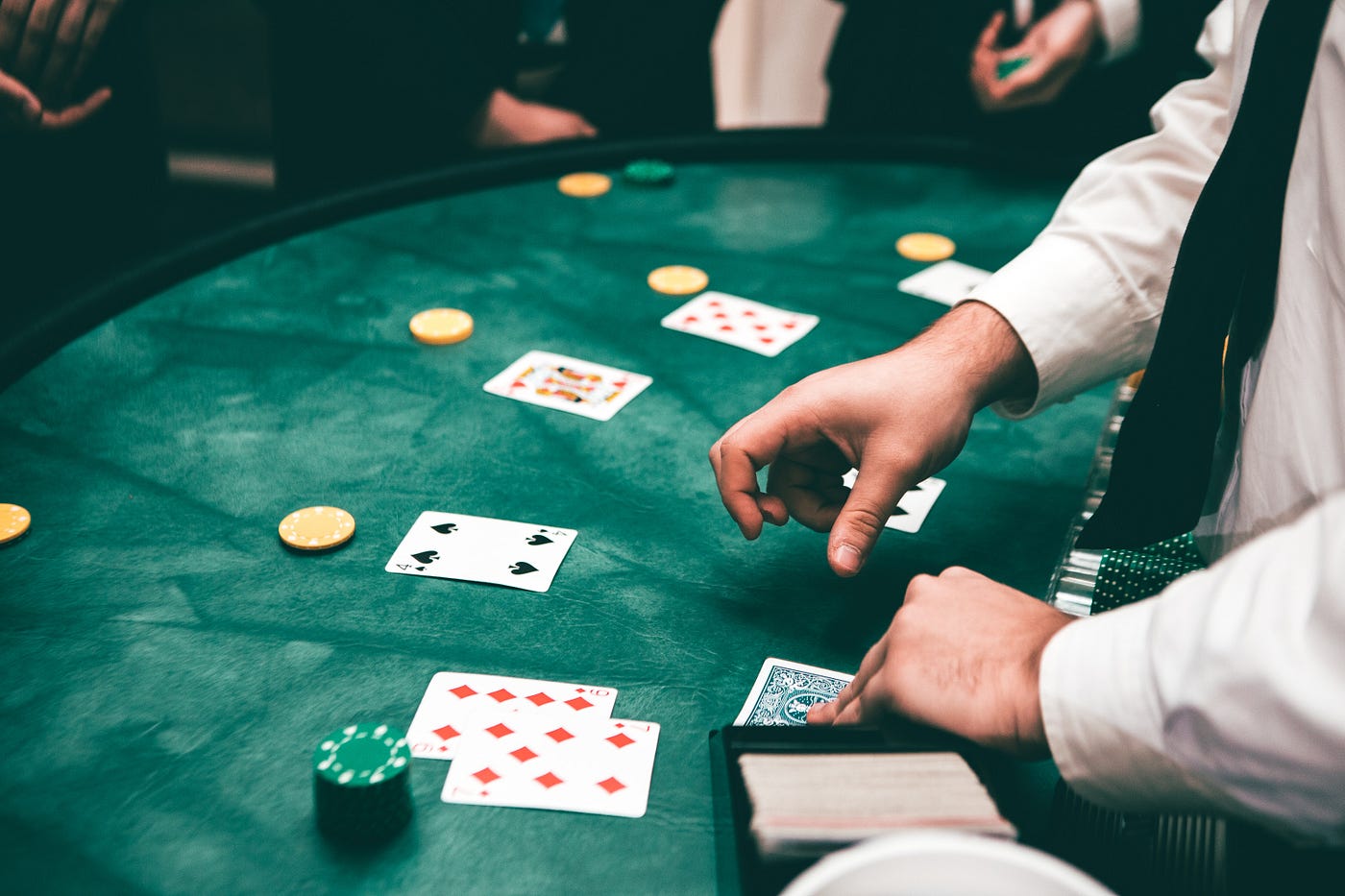
For example, in poker, successful players must master reading their opponents, understanding probabilities, and employing strategic betting techniques. Those who rely exclusively on luck tend to struggle against more knowledgeable opponents. Similarly, in blackjack, players can reduce the house edge significantly by utilizing strategies like basic strategy or card counting. This shows that while luck may influence individual outcomes, informed decision-making and strategy can have a more profound impact on overall success.
Understanding the balance between luck and skill can enrich the gambling experience. While it is essential to acknowledge the role of chance in gambling outcomes, aspiring players should invest time in learning the skills necessary for games that allow for strategic play. By developing a deeper understanding of the games they enjoy, players can increase their chances of success and cultivate a more engaging gambling journey.
Final Thoughts on Myths in Gambling
In the vast world of gambling, the myths surrounding games often overshadow the reality of how games function. Understanding these misconceptions can enrich the gaming experience, allowing players to enjoy themselves without making uninformed decisions. Knowledge is key in dispelling these myths, leading players to recognize the importance of independence in game outcomes and the varying degrees of skill required in different games.
Take the time to research and learn about the games you enjoy, whether that means understanding the odds, strategies, or even the psychology involved. Addressing misconceptions like the gambler’s fallacy and the myths surrounding hot and cold machines can empower players to make better decisions. This not only enhances your gaming experience but also promotes responsible gambling habits.
Ultimately, acknowledging the role of luck while also understanding the mechanics of games can set a foundation for more strategic and enjoyable gambling. As you explore the world of casinos, keep these insights in mind for a more fulfilling experience, and remember that informed players are often the most successful. The journey is as important as the destination, so immerse yourself in the game and enjoy the process of learning and playing.